 Skip to content


GLP-1 Medications & Your Skin: How to Prevent Sagging and “Ozempic Face”
By: Daniela De Los Santos
Head of NPD and Education | Esthetician
Over the past several years, GLP-1 medications like Ozempic, Wegovy, and Mounjaro have transformed approaches to weight loss and metabolic health. While many are ecstatic about the rapid body changes they experience, several patients are left with some not so welcomed skin changes—including laxity, hollowing, and what has become known as “Ozempic face.”
“The skin is a living structure,” says Dr. Harold Lancer, a Beverly Hills Dermatologist specializing in regenerative dermatology, with over 4 decades of experience.
“Rapid weight loss can outpace the skin’s ability to remodel collagen, elastin, and the fat pads that define facial contours. When remodeling lags, sagging, deepened folds, and hollowing can appear.”- Dr. Harold Lancer
Patients come to our Beverly Hills office from all across Los Angeles, and the world- and one of the questions we hear most often is: how can skin sagging be prevented while using a GLP1 therapy? In this guide, we will break down Dr. Lancer’s recommendations and explore what will help keep your skin as healthy and balanced as possible.
What Happens to Skin During Rapid GLP-1 Weight Loss?
Weight loss affects not only fat cells but also the mechanical scaffolding under the skin. Collagen and elastin fibers require time, hydration, and proper signaling to reorganize. Without support, skin can appear deflated, with jawline laxity, deeper nasolabial folds, and hollowed cheeks. This is why many patients seek guidance on how to tighten skin after Ozempic use.
Can You Prevent It Completely?
In cases of very rapid or very large weight loss (e.g., 50–100+ lbs in under a year), some degree of laxity is extremely common and difficult to avoid entirely. However, the following evidence-based strategies can significantly reduce the severity and help skin adapt better.
1. Slow the Rate of Weight Loss When Possible
The single biggest factor you can control. Losing 0.5–2 lbs per week (instead of 3–5+ lbs) gives skin, collagen, and elastin fibers more time to remodel.
2. Prioritize Protein Intake
Aim for 1.6–2.2 g of protein per kg of ideal body weight daily (or roughly 100–150 g/day for most adults). Collagen and elastin are made of amino acids; without enough dietary protein, the body struggles to rebuild these structural proteins.
Best sources: lean meats, fish, eggs, Greek yogurt, cottage cheese, lentils, tofu, whey or plant-based protein powders.
3. Stay Intensely Hydrated
GLP-1 drugs often suppress thirst along with appetite. Dehydrated skin is less elastic. Aim for at least 3–4 liters of water daily (more if you’re active or live in a dry climate).
4. Strength Training (2–4 times per week)
Building or preserving muscle gives the skin something firm to lie against. Focus on compound movements: squats, deadlifts, push-ups, rows, overhead presses. Even bodyweight or resistance-band training helps.
5. Support Collagen with Nutrition & Topicals
- Vitamin C (500–1000 mg/day) + zinc and copper — essential cofactors for collagen synthesis
- Omega-3 fatty acids (fish oil or algae oil) — reduce inflammation and support skin barrier
- Daily broad-spectrum SPF 30+ — prevents collagen breakdown from UV damage
- Gentle retinoids/retinol at night (start slowly) — proven to increase collagen production over time
- Peptide serums and rich moisturizers — helpful but secondary to the above
6. Consider Professional Treatments (Non-Surgical First)
If laxity has already occurred, the following are some of Dr. Lancer’s favorite and most effective non-surgical options:
- Ultherapy or Sofwave (focused ultrasound) — deep collagen stimulation, best for jawline/neck
- Radiofrequency microneedling (Morpheus8, Genius, etc.) — tightens skin and improves elasticity
- Biostimulatory injectables (Sculptra, hyperdilute Radiesse) — gradually replace lost volume and trigger new collagen
- Dermal fillers (for targeted hollows) — immediate but temporary
- Laser resurfacing or chemical peels — improve texture and mild tightening
Note: For severe cases, surgical options (facelift, neck lift, or body contouring) may ultimately provide the most dramatic and longest-lasting correction.
Does a Structured Skincare Method Matter?
A disciplined skincare routine can support the skin by allowing it to keep up with the pace of rapid body changes.
Key principles include:
-
Stimulating Cell Renewal – Exfoliation encourages turnover, smooths texture, and primes skin for active ingredients. Dr. Lancer recommends: The Method: Polish
- Gentle Cleansing – Maintains hydration and protects the barrier, preventing dryness or irritation. Dr. Lancer recommends: The Method: Cleanse
- Rebuilding & Nourishing – Targeted peptides, retinoids, and moisturizers support collagen remodeling, elasticity, and radiance. Dr. Lancer recommends: Triple Peptide Drops, Gravity Defying Moisturizer, Advanced Retinol Treatment
“Structured, methodical care at home allows the skin to regenerate in sync with body changes,” says Dr. Lancer.
Key Takeaway
While topical skincare and exercise alone won’t fully prevent “Ozempic face” in rapid, large-weight-loss scenarios, combining slower weight loss, high protein intake, hydration, resistance training, and sun protection gives your skin the best possible chance to bounce back.
If you’re concerned about skin changes while on a GLP-1 medication, consult a board-certified dermatologist or plastic surgeon early — many patients benefit from starting preventive treatments even before significant laxity appears.
For personalized recommendations and GLP-1–specific skin care, explore the full Lancer Skincare line or schedule a consultation at Lancer Dermatology in Beverly Hills.
Featured Products


The Method: Polish (Normal)
QUARTZ CRYSTALS + PUMPKIN ENZYMES


The Method: Cleanse (Normal)
SODIUM PCA + AMINO ACIDS
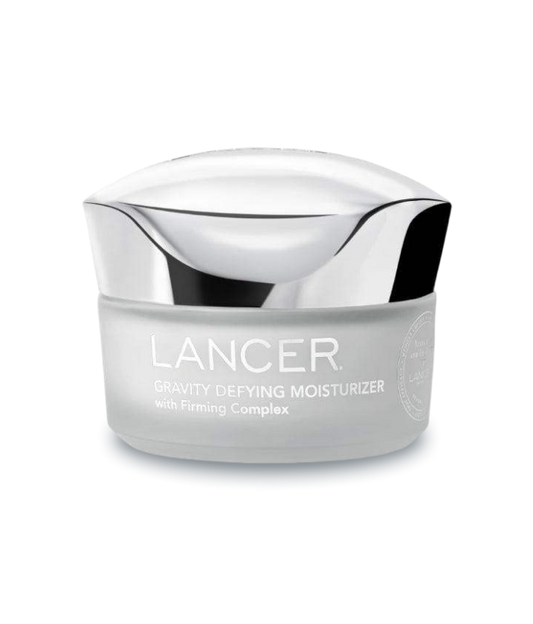
Gravity Defying Moisturizer
COPPER TRI PEPTIDE + CERAMIDES


