 Skip to content


How Sun Exposure Can Lead to Both Dark and Light Spots
By: Daniela De Los Santos
Head of NPD and Education | Esthetician
In Chapter 4 of his bestselling book Younger, Dr. Harold Lancer explores the mechanics of skin aging and the complex relationship between sun exposure, melanin production, and visible changes in skin tone.
While UV exposure is most commonly associated with dark spots, cumulative sun exposure can affect pigment in more than one way. In some areas, it stimulates excess melanin, leading to hyperpigmentation. In others, years of sun damage can disrupt normal pigment production, resulting in small spots that appear lighter than the surrounding skin—a condition known as hypopigmentation.
Understanding how your skin creates and distributes melanin can help explain why these changes happen—and why daily sun protection is essential for maintaining a more even-looking complexion.
Melanin 101: How Your Skin Makes Color
Deep within the skin’s epidermis are specialized cells called melanocytes. Their job is to produce melanin—the pigment responsible for the color of your skin, hair, and eyes.
Here’s a simple way to understand it:
Think of melanocytes as tiny pigment factories within the skin. When exposed to UV rays, they produce more melanin to help protect the skin from damage. That melanin is then packaged into small carriers called melanosomes and delivered to surrounding skin cells.
This process causes the skin to tan. However, repeated sun exposure can disrupt how evenly melanin is produced and distributed, eventually leading to dark spots or areas with less pigment.
Hyperpigmentation
Hyperpigmentation occurs when UV exposure triggers excess pigment production in certain areas. Over time, that pigment can collect and appear as sun spots, age spots, or larger patches of discoloration.
Even after a tan fades, these concentrated areas of melanin may remain visible.
Hypopigmentation
Hypopigmentation occurs when an area of skin contains less pigment than the surrounding skin. With cumulative sun exposure, melanocytes in certain areas may become less efficient at producing or distributing melanin.
This can result in small, flat white spots, often found on frequently exposed areas such as the arms, legs, shoulders, and chest. These spots may become especially noticeable during the summer because the surrounding skin tans while the lighter areas do not.
In this article, we are focusing specifically on pigment changes associated with UV exposure. Light spots can have other causes, so new, changing, or widespread areas of pigment loss should always be evaluated by a board-certified dermatologist.
Why Does Sun Exposure Affect Everyone Differently?
Two people can spend the same amount of time in the sun and experience very different pigment changes.
One person may burn quickly, while another tans. Some develop dark spots easily, while others notice very little discoloration until years later. These differences are influenced by genetics, ancestry, sun history, and how each person’s melanocytes respond to UV exposure.
Surface appearance alone doesn’t always reveal the full story. As Dr. Lancer explains in Younger, someone with a fair complexion may still have ancestry associated with a more reactive pigment response. Likewise, two people with similar visible skin tones may react very differently to sun exposure or professional treatments.
Understanding the Lancer Ancestry Scale
In Younger, Dr. Lancer introduces the Lancer Ancestry Scale, or LAS, as a way of looking beyond visible skin tone when considering how the skin may respond to environmental stressors such as UV exposure.
Traditional skin typing often focuses primarily on how easily someone burns or tans. The Lancer Ancestry Scale additionally considers geographic heritage and how generations of ancestral sun exposure may influence an individual’s pigment response.
| Lancer Scale Type | Geographic Heritage Examples | Potential Pigment Response |
| Types I-II | Celtic, Nordic, and Northern European | More likely to burn easily and show visible signs of cumulative sun damage |
| Type III | Central and Eastern European and mixed geographic heritage | May burn or tan depending on exposure and can gradually develop uneven pigmentation |
| Types IV-V | Mediterranean, Asian, Latino, and African heritage | Often develops pigment quickly in response to UV exposure, making dark spots and uneven tone particularly noticeable |
The Lancer Ancestry Scale—sometimes searched for as the Lancer Ethnicity Scale—is not about placing everyone into a rigid category. It is a framework for understanding that visible skin tone is only one part of the pigmentation story.
Your ancestry, personal sun history, sensitivity, and previous responses to skincare and professional treatments should all be considered.
When Sun Exposure Creates Uneven Pigment
Sun damage doesn’t always appear as one uniform change across the complexion.
In some areas, melanocytes continue producing excess melanin, creating dark spots. In other areas, cumulative damage may reduce normal pigment production, leaving small spots that look lighter than the surrounding skin.
This is why someone can experience hyperpigmentation and hypopigmentation at the same time.
It is also why simply “brightening” dark areas isn’t the complete solution. A comprehensive approach should focus on supporting healthy skin renewal, improving the appearance of existing discoloration, and protecting the entire complexion from further UV exposure.
How to Address Sun-Related Hyperpigmentation Safely
1. Support Cell Turnover with The Lancer Method
Instead of depending on occasional, overly aggressive exfoliation, incorporate consistent renewal into your routine.
Polish helps lift dull, pigmented surface cells using quartz crystals and pumpkin and pomegranate enzymes, improving the appearance of uneven tone and texture.
Cleanse removes impurities and prepares the skin for targeted treatment products.
Nourish replenishes hydration and helps support the skin’s moisture barrier.
Consistency is important, but always pay attention to how your skin responds. Persistent burning, redness, or irritation may be a sign to reduce your exfoliation frequency.
2. Use Targeted Ingredients
Choose formulas that address the appearance of concentrated dark spots while supporting a more balanced, even-looking complexion.
Gravity Dark Spot Correcting Serum combines:
- Nonapeptide-1, a targeted peptide that helps improve the appearance of uneven skin tone.
- Alpha-Arbutin, which works with the pathway involved in melanin production to visibly reduce discoloration.
- Exosomes and Gravityl™, which support the formula’s visible tone, texture, and skin-renewal benefits.
The objective isn’t to change your natural skin tone. It is to visibly reduce areas of concentrated discoloration and restore a clearer, more uniform appearance.
3. Never Skip Sun Protection
Sun protection is the most important step in preventing new discoloration and protecting the progress made through your skincare routine.
Apply a broad-spectrum sunscreen with SPF 30 or higher every morning. Reapply throughout the day when spending time outdoors, and use protective clothing, sunglasses, or a wide-brimmed hat when possible.
Even brief, repeated periods of unprotected exposure add up over time.
Sunscreen also helps reduce the visible contrast between lighter spots and the surrounding skin by limiting tanning and helping protect against additional sun damage.
How to Address and Help Prevent Sun-Related Light Spots
Dark and light spots require different approaches. Brightening products are designed to reduce the appearance of excess pigment, but they cannot restore pigment where melanin production has decreased. Applying brightening or exfoliating products directly to light spots may make the contrast with the surrounding skin more noticeable.
Existing sun-related light spots can be difficult to correct at home. A dermatologist can confirm their cause and determine whether professional treatment may help.
Daily broad-spectrum SPF 30 or higher, protective clothing, and limiting prolonged sun exposure can help prevent additional UV damage. Sun protection also keeps the surrounding skin from tanning as deeply, which can make existing light spots appear less prominent.
If light spots are new, spreading, changing, or appearing in multiple areas, consult a board-certified dermatologist. Not all hypopigmentation is caused by sun exposure, and receiving an accurate diagnosis is important before attempting to treat it.
Work With Your Biology, Not Against It
Your ancestry is part of the story of how your skin responds to the sun, but your daily habits help shape what happens next.
Treating uneven tone isn’t about fighting your natural pigment. It is about understanding how melanin works, correcting visible dark spots thoughtfully, and protecting the skin from the cumulative UV exposure that can contribute to both darker and lighter areas.
Skip the shortcuts. Stay consistent with your skincare, use targeted brightening ingredients where appropriate, and make daily sun protection non-negotiable.
Key Takeaway
Sun exposure can contribute to both dark and light spots. Consistent skincare can improve the appearance of existing hyperpigmentation, while daily UV protection is the most important step in helping prevent future pigment changes.
Featured Products
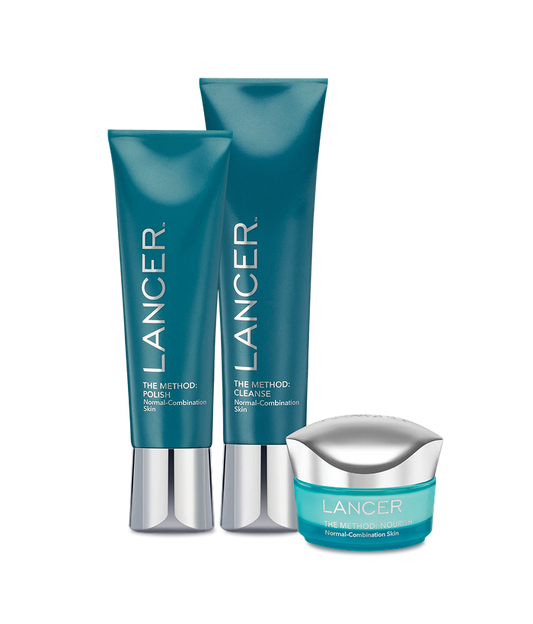

The Method: Set (Normal)
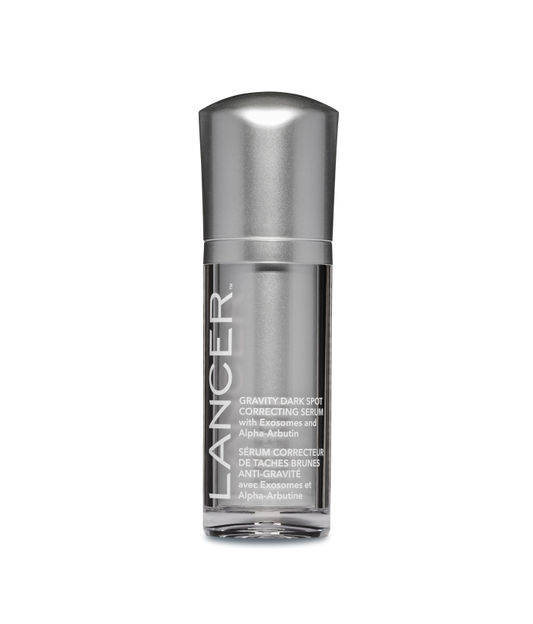

Gravity Dark Spot Correcting Serum
EXOSOMES + ALPHA-ARBUTIN
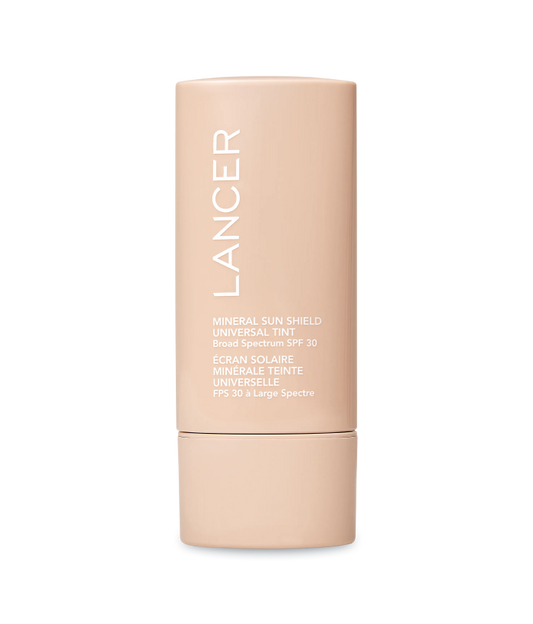
Mineral Sun Shield Universal Tint
ZINC OXIDE + GINGER EXTRACT


