 Skip to content


The Dehydration-Pigmentation Link: What Your Skin Is Trying To Tell You
By: Daniela De Los Santos
Head of NPD and Education | Esthetician
Every June the conversation in the skincare world predictably shifts to SPF. And in all honesty when approaching this month’s blog my mind went there first too. But after a recent conversation with my colleagues, a different topic surfaced: the connection between dehydration and pigmentation. It sparked a simple but important question: what is the correlation between the two? And perhaps more importantly, do people realize this is happening to their skin right now? Because the truth is, this is exactly the time of year when we are most susceptible to it.
After two decades in skincare, and now working alongside the brilliant Dermatologist Dr. Harold Lancer, we have identified something that the beauty industry consistently underestimates: the quiet and cumulative damage that happens when our skin enters summer already compromised—particularly due to dehydration.
We head into beach days or our carefully planned vacations with a barrier that's already weakened and depleted, setting the perfect stage for melanocyte cells (the cells responsible for producing pigment) to become overactive. And then like clockwork, we spend the fall trying to peel away, and undo what was set in motion months before.
So what can we do to stop this vicious cycle? Let’s pull the curtain back.
At its core, the relation between dehydrated skin and hyperpigmentation comes down to one critical factor: barrier integrity.
When the skin is properly hydrated the barrier acts like a protective shield regulating trans epidermal water loss (TEWL) defending against environmental aggressors, like UV radiation and pollution, and helping to control inflammatory responses.
But when the skin becomes dehydrated—and in my experience this is more common than not—that barrier begins to weaken.
“Once the barrier is compromised, the skin becomes far more reactive,” explains Dr. Harold Lancer. “Inflammation increases, and that’s when melanocytes—the cells responsible for pigment—become overstimulated.”
This overstimulation leads to uneven melanin production, which shows up as:
- Dark spots
- Patchy and uneven discoloration
- Post-inflammatory hyperpigmentation
- Overall dull, uneven tone and complexion
So the first takeaway is this: dehydration doesn’t just make your skin feel tight, it creates the ideal internal environment for pigmentation to develop…and persist.
(While we are on the subject, this same process can also contribute to increased breakouts.)
Why Summer Makes It Worse
In climates like Beverly Hills and Los Angeles specifically—where it seems the sun is constant—this cycle is even more pronounced.
During summer the skin is navigating:
- Increased UV radiation
- Heat induced trans epidermal water loss (TEWL)
- Air travel
- Salt water
- Air conditioning
- Overuse of "trendy skincare”
All of these factors accelerate dehydration—leaving the skin far more vulnerable to UV-induced pigmentation.
The Skin’s Response Pathway: Inflammation + Pigmentation
When the skin is dehydrated and stressed, it shifts from a state of protection into a state of defense.
This is a gradual, invisible process—meaning by the time a dark spot appears, the biological activity behind it has already been underway for weeks.
What’s Happening Beneath the Surface:
1. Micro-Inflammation
A weakened barrier becomes more permeable, allowing environmental aggressors—UV radiation, pollution, even naturally occurring surface bacteria—to penetrate more easily.
The skin’s immune cells respond by releasing inflammatory signals (cytokines), initiating a low-grade inflammatory state.
2. Activation of Melanocytes
These inflammatory signals don’t stay localized—they communicate directly with melanocytes.
And here’s the key: melanocytes cannot distinguish between true UV damage and inflammation caused by barrier disruption. To the skin, a signal is a signal—and the response is the same: produce more pigment.
3. Overproduction + Uneven Distribution of Melanin
Melanin itself is not the enemy—it’s the skin’s natural protective mechanism.
But in dehydrated, compromised skin, this response becomes amplified.
Instead of producing a balanced, even response, melanocytes:
- Overproduce pigment
- Deposit it unevenly
- Create clusters
These clusters are what we see as dark spots, post-inflammatory hyperpigmentation, and uneven tone.
How to Interrupt the Cycle
The key is not just correcting pigmentation after it appears—but preventing the trigger altogether.
1. Restore the Barrier First
Before targeting pigment, the skin must be rehydrated and stabilized.
Look for:
- Hyaluronic Acid: attracts and retains water
- Glycerin: improves hydration and elasticity
- Ceramides: reinforce the lipid barrier
Healthy, hydrated skin is less reactive—and less likely to overproduce pigment.
2. Incorporate Targeted Brightening Ingredients
Once the barrier is supported, introduce intelligent pigment-correcting actives:
- Alpha Arbutin: Helps reduce hyperpigmentation by inhibiting tyrosinase (melanin production enzyme)
- Nonapeptide-1: A next-generation peptide that regulates melanocyte activity for more even tone
These ingredients are most effective when used consistently within a summer skincare routine focused on both prevention and correction.
3. Rethink Your Approach to Exfoliation
Exfoliation is important—but in summer, balance is everything.
Over-exfoliating can:
- Weaken the barrier
- Increase sensitivity
- Trigger inflammation → leading to more pigmentation
Instead, focus on controlled, supportive exfoliation that enhances renewal without compromising hydration.
4. Protect, But Also Prepare
SPF is essential—but it’s only part of the equation.
Think of it this way:
- SPF protects
- Hydration prepares
- Treatment corrects
When these three work together, the skin becomes far more resilient against environmental triggers of hyperpigmentation.
The Key Takeaway
If your skin is showing signs of dark spots, uneven tone, or dullness this summer, the answer may not be stronger treatments—it may be deeper hydration and barrier repair.
Because sometimes, what your skin is really asking for isn’t correction—it’s restoration first.
Featured Products
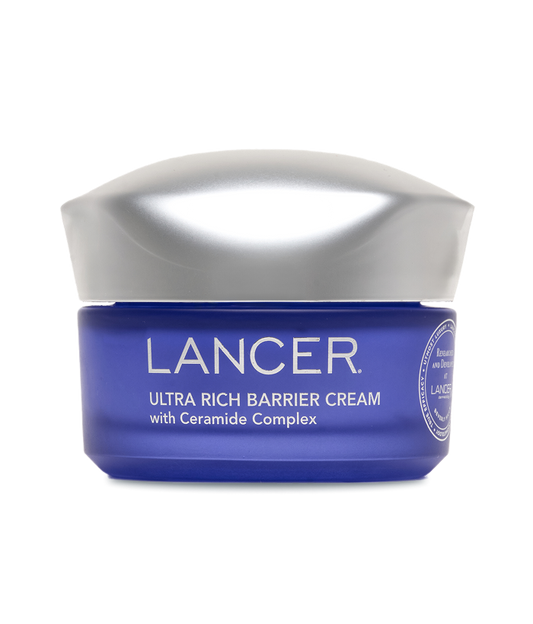

Ultra Rich Barrier Cream
CERAMIDES + PEPTIDES
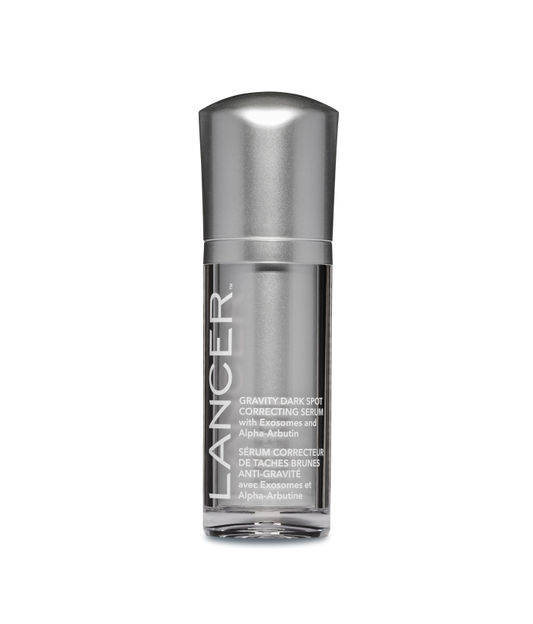

Gravity Dark Spot Correcting Serum
EXOSOMES + ALPHA-ARBUTIN


The Method: Polish (Normal)
QUARTZ CRYSTALS + PUMPKIN ENZYMES


