Post-Summer Skin Repair: Essential Ingredients to Heal Sun-Damaged Skin
Ultraviolet rays penetrate the skin layers, causing DNA damage, oxidative stress, and breaking down collagen, leading to premature skin aging, fine lines, and even skin cancer.
The repair process involves reversing the visible signs of damage, such as rough texture and dark spots, and addressing deeper issues like collagen degradation and DNA repair. In this article, we’ll cover everything you need to know about sun damage repair.
Key takeaways
- Sun damage is caused by UVA and UVB rays, causing skin issues like DNA damage, premature aging, and even skin cancer.
- Key ingredients for repairing sun-damaged skin include retinoids for collagen production, antioxidants like vitamins C and E for protection, and niacinamide for even skin tone.
- A consistent skincare routine with a gentle cleanser, vitamin C serum, and broad-spectrum sunscreen is essential for effective sun damage repair.
Understanding sun damage
Sun damage isn’t just about the immediate pain of a severe sunburn; it’s a complex issue that affects your skin in multiple ways. UV exposure leads to two primary types of damage: immediate and long-term. Immediate effects include sunburned skin, redness, and pain, while long-term effects can manifest as skin aging, uneven pigmentation, and an increased risk of skin cancers, including second degree sunburn.
The sun’s ultraviolet radiation rays, including both UVA and UVB rays, penetrate the skin and cause significant UV damage at the cellular level. UVB rays are primarily responsible for sunburn, while UVA rays penetrate deeper, leading to skin photoaging and an increased risk of skin cancer. Over time, this damage shows up as wrinkles, sun spots, and even skin cancers.
Key ingredients for sun damage repair
Repairing sun-damaged skin requires a strategic approach with ingredients that target different aspects of damage. Retinoids, including vitamin A derivatives like topical tretinoin, are powerful tools in this fight. They stimulate collagen production, improve skin texture, and reduce the appearance of fine lines and wrinkles.
Antioxidants like vitamin C and E are crucial for neutralizing free radicals generated by UV exposure. These antioxidants not only protect your skin from further damage but also promote healthy skin by reducing inflammation and boosting collagen production. Incorporating a vitamin C serum into your routine can make a significant difference in the appearance of sun-damaged skin.
Peptides and growth factors are another essential component in the skin repair arsenal. These ingredients help to stimulate collagen and elastin production, improving skin elasticity and reducing signs of aging. Niacinamide, a form of vitamin B3, is renowned for its anti-inflammatory properties and its ability to improve skin barrier function, reduce redness, and even out skin tone.
Alpha hydroxy acids (AHAs), such as glycolic acid, are excellent for exfoliating the skin and promoting cell turnover. They remove dead skin cells, revealing fresher, healthier skin underneath. Ingredients like hyaluronic acid and petroleum jelly are also beneficial for maintaining moisture and promoting healing in sunburned skin.
Creating your sun damage repair routine
Creating an effective sun damage repair routine involves a combination of daily and weekly treatments. Start your morning with:
- A gentle cleanser to remove impurities.
- A vitamin C serum to neutralize free radicals.
- A broad spectrum sunscreen with a high SPF to protect your skin from UV rays throughout the day.
In the evening, focus on repair and regeneration with the following steps:
- Use a retinoid-based product to stimulate collagen production and enhance cell turnover.
- Follow with a hydrating moisturizer to lock in moisture and support the skin barrier.
- Apply weekly treatments like exfoliation with alpha hydroxy acids to help remove dead skin cells and promote a smoother complexion.
Consistency is key to seeing results. Incorporate ingredients like:
- Hyaluronic acid for hydration
- Niacinamide for reducing inflammation
- Peptides for boosting collagen Tailor your routine to your skin type and adjust as needed to address specific concerns.
Remember, protecting your skin from further damage is as important as the repair process. Always use water-resistant sunscreen, wear protective clothing, and seek shade during peak sun hours.
Frequently Asked Questions
What are the most effective ingredients for repairing sun-damaged skin?
To effectively repair sun-damaged skin, focus on ingredients like retinoids, vitamin C, peptides, and niacinamide.
How long does it take to see results from a sun damage repair routine?
You can expect to notice some improvements in your skin texture and tone within a few weeks, but sticking to your routine consistently is crucial for lasting results.
Can sun damage be completely reversed?
You can't completely reverse sun damage, but a consistent skincare routine can really improve the look of your skin and help prevent more issues.
What daily routine should I follow to repair sun-damaged skin?
To repair sun-damaged skin, begin your day with a gentle cleanser, then apply a vitamin C serum and a broad-spectrum sunscreen. In the evening, switch to a retinoid product and finish with a hydrating moisturizer for the best results.
How can I prevent further sun damage?
To prevent further sun damage, always apply a broad-spectrum sunscreen with a high SPF, wear protective clothing, and try to stay in the shade during peak sunlight hours.
Repair your skin and prevent premature aging today
Repairing sun-damaged skin requires understanding the nature of sun damage, selecting the right ingredients, and following a consistent skincare routine. Ingredients like retinoids, antioxidants, and peptides play crucial roles in reversing the visible signs of damage and promoting healthy skin.
Remember, prevention is just as important as treatment. Incorporating daily sun protection and being mindful of sun exposure can help maintain your skin’s youthful appearance. Start your journey to skin recovery today with a routine that promotes healthy skin.
Featured Products
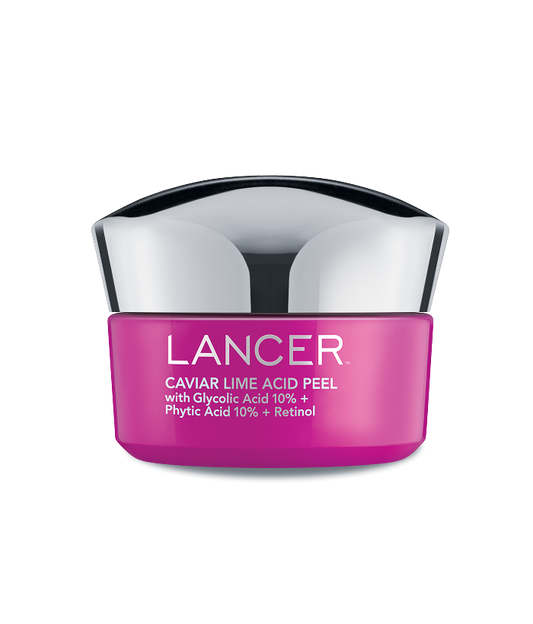
Caviar Lime Acid Peel
AHA'S + ENZYMES
The Method: Cleanse (Normal)
SODIUM PCA + AMINO ACIDS
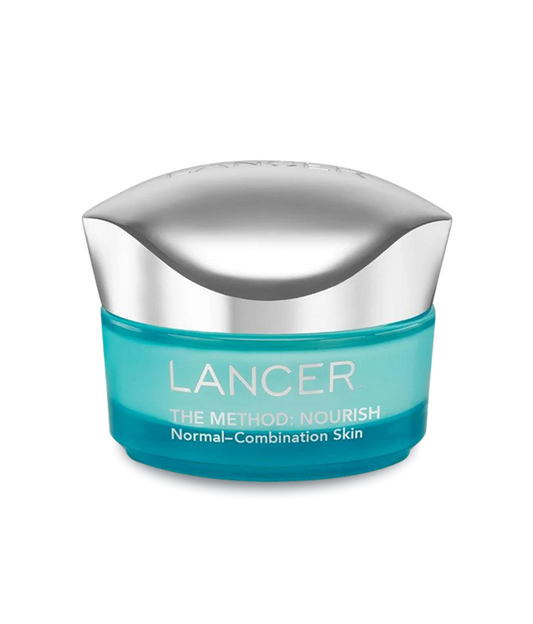
The Method: Nourish (Normal)
HYALURONIC ACID + PEPTIDES