 Skip to content


A Clinical, Barrier-First Approach to Restoring Skin Health
By: Daniela De Los Santos
Head of NPD and Education | Esthetician
As we move through the winter months—and just off the heels of one of the harshest winter storms in a decade—more people are dealing with stubborn dry, flaky, reactive skin that no longer responds to a basic moisturizer. Each cold season brings a familiar combination of sensitivity, dehydration, and barrier damage that feed into a cycle of discomfort, irritation, and visible texture changes. Now more than ever, real clinical expertise matters, and at Lancer Skincare one of our core principles is to restore skin function first, because truly healthy, resilient skin always starts with a strong barrier.
“When the barrier is compromised, the skin becomes louder in every way—more red, more dry, more reactive. The solution isn’t more product; it’s smarter, barrier‑focused care,” explains Dr. Lancer.
Key Takeaways
Repairing the barrier by replenishing essential lipids, supporting long-lasting hydration, and reducing inflammation allows skin to calm, recover, and regain tolerance. Gentle, controlled renewal then refines texture without triggering sensitivity, while daily protection preserves progress against UV exposure, oxidative stress, and urban environmental aggressors.
When repair, renewal, and protection work together—and are supported by consistent lifestyle habits—reactive winter skin can return to a state of comfort, balance, and long-term resilience.
How to have a stronger skin barrier
Step one: Repair your skin
Barrier repair is about giving back to the skin and helping it along while it heals. It’s crucial to identify the symptoms first, and use formulas that help the skin to lock in water, defend itself, and stay calm.
Key priorities:
- Replenish essential lipids that help rebuild the barrier structure
- Support deep, long‑lasting hydration instead of a short‑term dewy finish
- Reduce the inflammation that fuels redness, burning, and reactivity
When the barrier is restored, skin feels more comfortable, looks less reactive, and can finally tolerate and benefit from targeted treatments such as brightening or anti‑aging actives.
Step two: Renew gently, not aggressively
Even dry or sensitive skin still needs renewal—but it must be thoughtful. Over‑exfoliating with strong acids or harsh scrubs is one of the quickest ways to keep compromised skin in a constant flare.
Dr. Lancer recommends the following:
- Choose a gentle and precisely controlled exfoliant
- Focus on lifting surface flakes without provoking inflammation
- Use an option that is designed for a sensitive skin barrier
The right level of exfoliation refines texture, boosts radiance, and actually enhances the penetration of reparative and hydrating ingredients, rather than working against them.
PRO TIP: The Method Polish is specially formulated to be used every day – and for an impaired barrier we suggest the use of the Sensitive-Dehydrated version.
Step three: Protect what you’ve rebuilt
After repair and renewal, protection is what keeps your hard‑won progress from unraveling. Dry, reactive winter skin is particularly vulnerable to:
- Urban environmental aggressors
- Oxidative stress
- UV exposure—even on overcast, cooler days
Daily protection should include:
- Broad‑spectrum sunscreen
- Antioxidants to help neutralize free radicals
- Consistent hydration and barrier‑supportive care
Think of protection as essential maintenance, not an optional extra; it’s what prevents the same winter cycle of dryness and sensitivity from starting all over again.
What else can I do to fix my skin barrier?
Lifestyle habits that truly matter
Barrier repair doesn’t end with what you apply to your face. Everyday choices either support or undermine your results. Helpful lifestyle shifts include:
- Staying well hydrated and getting sufficient essential fatty acids in your diet
- Managing stress, which can heighten inflammation and reactivity
- Prioritizing quality sleep, when many repair processes peak
- Avoiding over‑cleansing and constant product experimentation
Reactive skin thrives on simplicity and consistency. The more predictable your routine, the calmer and more resilient your skin tends to become.
Featured Products
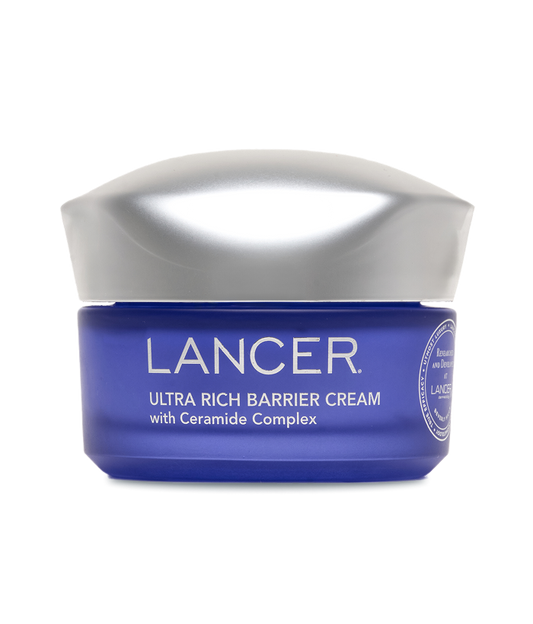

Ultra Rich Barrier Cream
CERAMIDES + PEPTIDES
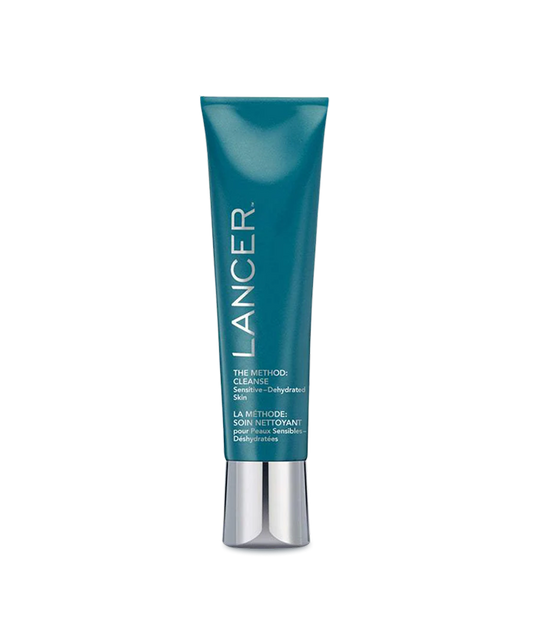
The Method: Cleanse (Sensitive)
OAT EXTRACT + LICORICE ROOT EXTRACT
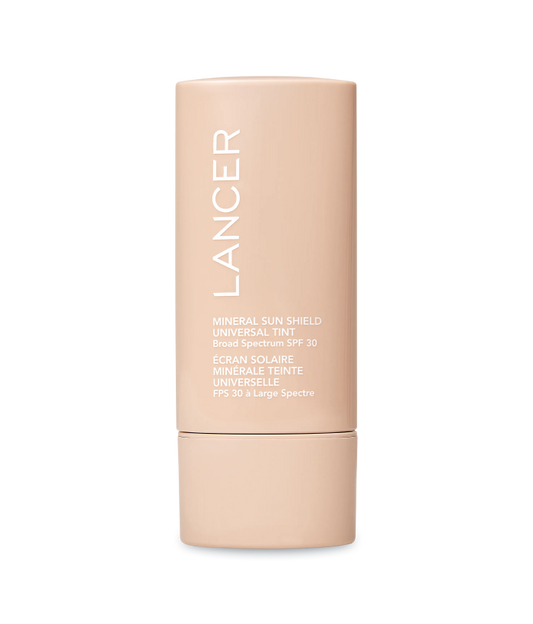
Mineral Sun Shield Universal Tint
ZINC OXIDE + GINGER EXTRACT


